Author name: jainhospitals

COVID19
Blog, Vol 1 Issue 2

Incidence of Diabetes and Ischemic Heart Disease in COVID-19 Post Pandemic

Research Article Incidence of Diabetes and Ischemic Heart Disease in COVID-19 Post-Pandemic Raj Kamal Choudhry1* Submitted: October 20, 2024; Accepted: October 27, 2024; Published: October 28, 2024 Corresponding Author1*: Dr Raj Kamal Choudhry, Professor, MD Medicine, Department, Jawaharlal Medical College, Bhagalpur, Bihar, India; email: [email protected] Abstract Background: The long-term effects of the COVID-19 Pandemic are currently getting more attention. The majority of individuals with COVID-19 report having symptoms for a duration greater than four weeks following their initial appearance. After COVID-19 infection, there is worry that cardiovascular and metabolic conditions may be harmed. The severity of the sickness and COVID-19 vulnerability, meanwhile, are known to be linked to cardiometabolic risk. Aim: To study the incidence of ischemic heart disease and diabetes mellitus post-COVID-19 pandemic Methods and Materials: Information for all individuals diagnosed with COVID-19 was taken at the beginning of the investigation from the department’s release of electronic medical records in February 2021. The main outcomes analyzed were first-ever documented CVD as well as DM diagnoses. The data were then collected at different periods. They were as follows: Before the date of indexing. Acute: Follow up till four weeks from the index. Post-acute: Five to twelve weeks from the date of indexing. Long: Thirteen weeks to fifty-two weeks from the date of indexing. Poisson confidence intervals (CIs) were computed. Results: CVD events were 1362 in the COVID-19 study group, while 131 in the control study group at a phase corresponding to four weeks after the indexed date. CVD events were 781 in the COVID-19 study group, while 298 in the control study group were at a phase corresponding to five to twelve weeks since the indexing date. CVD events were 781 in the COVID-19 study group, while 298 in the control study group were at a phase corresponding to five to twelve weeks since the indexing date. CVD events were 2,134 in the COVID-19 study group, while 298 in the control study group were at a phase corresponding to 13 to 52 weeks since the indexing date.   Conclusion: Early on, after COVID-19 infection, the risk of CVD is elevated, and this risk is elevated for up to three months. However, there is a long-term rise in the prevalence of CVD or DM in COVID-19 patients who do not already have these illnesses. Keywords: Prevalence, Cardiovascular disorders, diabetes mellitus, post COVID-19 Introduction The multiple organ systems illness known as Coronavirus Disease of 2019 (COVID-19) more universally acknowledged [1]. The Severe Acute Respiratory Syndrome Coronavirus 2 (SARS-CoV-2) virus infects the respiratory system and causes host immune reactions that could have systemic implications by activating inflammatory mediators [2,3]. With the downregulated response of the immune system, irregular platelet aggregation, coagulopathy, endothelial cell malfunction, and thrombosis affecting different methods with a risk of end-organ harm, COVID-19 may cause an i”flammatory “cy”okine storm” [4]. While fresh cardiovascular disorders (CVD) and fresh cases of diabetes mellitus (DM) have been linked to initial COVID-19 contamination [5], longer-term consequences after the contamination have not been extensively described. Cardiac arrest, cardiac damage with raised troponin levels, and an increased morbidity and mortality probability among COVID-19-positive individuals who get hospitalized are some of the cardiac symptoms of COVID-19 [6,7]. In the first four weeks, COVID-19 can be additionally linked to sudden myocardial infarction and ischemic stroke [8-10]. Patients with COVID-19 have witnessed new-onset hyperglycemia, frequently referred to as “stress hy” euglycemia,” which has been linked with a poorer outcome [5,11]. Both existent and newly developed DM might have sequelae, such as hyperosmolarity condition and diabetic ketoacidosis condition [12–14]. Elevated concentrations of cytokine interleukin-6 (IL-6) and cytokine tumor necrosis factor-alpha (TNF) are indicative of direct pancreatic injury by SARS-CoV-2 and accompanying general inflammatory conditions seen in chronic post-COVID-19, which results in decreased pancreatic insulin production and insulin resistance [15,16]. The long-term effects of COVID-19 are currently getting more attention. The majority of individuals with COVID-19 report having symptoms for longer than 4 weeks following their initial appearance [17-19]. After COVID-19 infection, there is worry that cardiovascular conditions and metabolic conditions may be harmed. The severity of the sickness and COVID-19 vulnerability, meanwhile, are known to be linked to cardiometabolic risk. The recovery period following COVID-19 is still inadequately understood, though. With longitudinal data from digital medical records, it is possible to analyze COVID-19 results over a longer period. We conducted the study to compare a group of patients with COVID-19 exposure to a matched cohort of patients without a COVID-19 diagnosis. We sought to determine the overall impact of COVID-19 contamination on cardiovascular and metabolic consequences over four weeks, three months, and twelve months to identify areas for future research that may be most important and to guide clinical care and public health initiatives. Methods and Materials Data source and participant selection Information for all individuals diagnosed with COVID-19 was taken at the beginning of the investigation from the department’s release of electronic medical records in February 2021. The index deadline for COVID-19 contamination was the day of the first coding. We considered individuals with medical as”easement o” “co” firmed” or” “suspected” COVID-19 since conclusive testing was not generally accessible during the epidemic’s early stages. However, we performed a risk assessment using patients with a polymerase chain reaction (PCR) test validated COVID-19 medical coding documented. A subset of normal control patients without a history of COVID-19 contamination reported till the indexing date was contrasted to the COVID-19 group. Control participants were randomly selected from the March 2021 version registered populace, which offered the most recent data available in the database at the time of sampling. The records of controls were evaluated eighteen months before the beginning of the research, and they had to be compared for age, gender, and family practice. Patients who had widespread CVD or DM reported more than a year or within a year of the commencement of their record were not eligible to serve as controls. Outcome measures The main outcomes analyzed were the first-ever documented CVD and DM diagnoses. Stroke, venous thrombosis, pulmonary embolism, cardiomyopathy and myocarditis, heart failure, condition ischemic heart disease, condition of myocardial infarction, supraventricular tachycardia, atrial arrhythmias, atrial fibrillation

Blog

DR. Denny Mathew John MD, Associate Editor, Diabetes Asia Journal

Name: DR. DENNY MATHEW JOHN Email: [email protected] Phone: +919446622496 Highest Degree & Job Title Highest Degree: MD, Community Medicine, Job Title: ASSISTANT PROFESSOR Cochrane member 2025 Current Primary Affiliation Department/Division: Community MedicineAffiliation: Kerala Medical College HospitalCity: Palakkad, KeralaCountry/Region: IndiaHighest Degree & Job TitleHighest Degree: MD, Community MedicineJob Title: ASSISTANT PROFESSOR  Research FieldsPublic Health; Commercial Determinants of Health; Epidemiology; Geriatrics; Non Communicable Diseases; One Health; Neglected Tropical Diseases; Anti-Microbial Resistance; Mental Health; Health Economics; Infectious DiseasesOnline Profiles: ORCID: https://orcid.org/0009-0004-2423-2540 Education: MBBS (Bachelor of Medicine and Surgery) – completed in 2014 from Christian Medical College, Ludhiana.MD Community Medicine– completed in 2022 from the Government Medical College (GMC), Amritsar.Work Experiences1) Senior Resident, Community Medicine – GMC Amritsar- 1 year – September 2022 toSeptember 2023.2) Assistant Professor, Community Medicine- Saveetha Medical College, Chennai- 11 months￾, October 2023 to September 2024.3) Assistant Professor, Community Medicine- Azeezia Medical College, Kollam- 1 month￾, September 2024 to October 2024.4) Public Health Specialist, Airport Health Organization, Trivandrum, Government of India, from October 14, 2024, to May 31, 2025.5) Assistant Professor, Community Medicine – Kerala Medical College Hospital, Palakkad from June 1 2025 till date.6) Reviewer for Cochrane since October 2023. Awarded the Cochrane Membership in December 2023.7) Reviewer for many reputed journals since September 2023- The Lancet Regional Health Southeast Asia, Science Journal of Public Health, PLOS One, Critical Public Health, BMC Research Notes, Archives of Public Health, BMJ Public Health, BMJ Global Health, Journal of Epidemiology and Community Health, Indian Journal of Public Health, Cureus, The Evidence Journal, Indian Journal of Occupational and Environmental Medicine, Malaysian Journal of Science, PeerJ, Animal Research and One Health, Evidence Public Health8) Best Peer Reviewer Award for The Evidence journal in February 2024 at the Global Conclave for Evidence Synthesis 2024 by the Global Center for Evidence Synthesis, Post Graduate Institute of Medical Education and Research, Chandigarh. Publications1) A B, A., Marzo, R. R., Lekamwasam, S., Kisa, A., Behera, A., S, P., … Rajagopal, V. (2024). Prevalence of fall and its associated factors among the elderly population in India: Evidence from the Longitudinal Aging Study of India (LASI). The Evidence, 2(2). https://doi.org/10.61505/evidence.2024.2.1.472) Shri, N., Singh, A., Nehrudurai, S., Munda, V. S., John, D. M., Shaik, R. A., … Kundu, A. (2024). Trends and patterns in dengue incidence and mortality across India and its states from 1990 to 2019: insights from the Global Burden of Disease study 2019. The Evidence, 2(4). https://doi.org/10.61505/evidence.2024.2.4.843) R S, John D, I S (August 19, 2024) Impact of Remedial Exercise Training on Work-RelatedMusculoskeletal Morbidity Among Handloom Weavers in Kanchipuram District: AQuasi-experimental Study. Cureus 16(8): e67217. doi:10.7759/cureus.. 672174) @article{John2024,title = {Prevalence of Work Related Musculoskeletal Morbidity among Handloom Weavers of Kanchipuram District, Tamil Nadu: An Ergonomic Study,journal ={Malaysian Journal of Medicine and Health Sciences},year = {2024},volume = {20},pages ={51-55},author = {Stalin, R. and John, D.M. and Selvaraj, I.}}5) Dr. Stalin. R, Dr. Denny Mathew John, Dr. Pooja Mary Vaishali, Dr. Selvaraj. I. ASSESSING BIOSTATISTICAL KNOWLEDGE AMONG POSTGRADUATES IN A TERTIARY CARE HOSPITAL IN CHENNAI: A CROSS-SECTIONAL STUDY. Vol. 21, COMMUNITY PRACTITIONER. Zenodo; 2024 Julp. 169–75.

Blog

Dr. Reza Shoghli, MSc, PhD. Assistant Editor Diabetes Asia

Ph.D. Helsinki, Department of Population Study, Finland, Email: [email protected] A young researcher at the University of Helsinki specializing in lipidomics and the role of specific and novel lipids in the incidence and development of non-communicable diseases. I also intend to offer new tools for clinics to enable early diagnosis of diseases. University of Helsinki, Helsinki, Finland Location Department Position Description

Blog

Dr. Sanjev Dave, MD Prof & Ex-Head of Community Medicine

Professor of Community Medicine, Autonomous State Medical College, Auraiya, Uttar Pradesh Professor & Ex HOD Community Medicine- Soban Singh Jeena, Govt Institute of Medical Science and Research, Almora, Uttarakhand-263601, Email: [email protected] and [email protected] Educational Qualifications: MBBS(1995 ), MD(2006), UGC- NET( Social Medicine & Community Health), CERTIFIED TB EXPERT (FROM ICMR) & NABH( HOSPITAL ACCREDIATION SPECIALIST- IMA University Hyderabad) in Nov 2018. Certifications: MCI( BOG) CERTIFIED: a)BASIC COURSE IN BIOMEDICAL RESEARCH in 2020,b) Revised BASIC Workshop in MEDICAL EDUCATION & c) CISP Programme TECHNOLOGY as per MCI Requirement  in Dec 2017 & 2018, Key areas of Interest:  Research & Teaching cum Training in Community Medicine. TEACHING Experience in Community Medicine: ( Post PG 11 years + 8 Months on 15th Jan 2024) Teaching experience Community Medicine details: 3yrs JR Ship(CHA)+ 7 years [ 4 years+ 15 days(Assistant Prof.) & Assoc. Prof (3 years + 1 Month+ 4 days) till  21st  July 2019 ] Current Designation: ASSOC. PROF (REGULAR) Autonomous State Medical College, Hardoi (UP) Professor & ExHOD Community Medicine- Soban Singh Jeena, Govt Institute of Medical Science and Research, Almora, Uttarakhand-263601 Ex Prof & HOD SINCE 4th Aug 2020  In Sheikhul Hind Maulana Masood Hasan  Govt  Medical College & Hospital, SAHARANPUR, UP( UP Govt)- (A recognized Medical College by MCI for 100 MBBS seats]till 11th June 2022  COMMUNITY MEDICINE TEACHING Experience:  Asstt Prof-Community Medicine: 4 years +15 days Muzaffarnagar Medical College & Hospital, Muzaffarnagar, UP- From 4/7/2013 to today–( 2years+ 11 months+15 days). Rohillkhand Medical College Hospital,Bareilly(UP): from 3/9/2012 to 3/7/2013———- (10 months) . Govt Medical College, Srikot, Srinagar, Pauri Garhwal (Uttarakhand) from 23/1/2012 till 23/04/2012- (3 months) Assoc. Prof-Community Medicine : 3 years + 6month+ 4 days PROFESSOR  COMMUNITY MEDICINE- 4 Years Experience a)[ In Muzaffarnagar Medical College & Hospital, Muzaffarnagar, UP- working since 04/07/2013 to till today (A recognized Medical College by MCI for 150 MBBS seats & PG in Community Medicine)] [ 22ND JULY 2019-20-6-2020] c)Autonomous State Medical College, Shahjahanpur, Under  Govt of UP from 22-6-2020 to 31-7-2020[ 1 Mth + 8 days]. Hospital/Health Management teaching experience:  Was visiting Faculty for Apollo, CREMA(Delhi) & ICRI (Mumbai) from 2007-2011. Specific Achievements:[ In the Department of Community Medicine at   Muzaffarnagar Medical College for nearly 3 years (2013-2019) ] a)Awarded “Outstanding Researcher in Health System(Public Health)” –VIHCA(2018) b)Worked as a Rural Health Training Centre(RHTC) In charge of being an Assistant Prof.  c)  Worked as Interns Incharge as Associate Professor & PG Incharge as PROFESSOR. c) Member of VIDWAN( MHRD, GOI) in Dec 2019. https://vidwan.inflibnet.ac.in//profile/107497 Research Publications*: 60 ( ORCID ID:0000-0002-1062-4322) Total No of Publications in Indexed Journals:    60  ( Pubmed Indexed-14)* Total No of Citations( Google Scholar) till Aug 2019: 425   ( h-index=9, i10 index=8) No of Articles in ( as 1st /2nd Author) in Indexed Journals :  45 No of Articles in ( as 3rd  /4th  Author) in Indexed Journals :  05 Levels of Journals: International-  21 (OA-16 & Others-5),National –34 (OA-29 & Others-5) & Total No of Original Articles:  34 (International -16, National- 18) a)No of ORIGINAL Articles published from Jan 2013 – June 2016 ( Asstt Professor Tenure): 22 (Twenty-two) b)No of ORIGINAL Articles published from July 2016 – June 2019 ( Associate Professor Tenure): 10 (Ten) No of Books Written in Community Medicine : 3 Books       1. One on –SPOTS in Community Medicine– ISBN 978-93-84882-41-9 2.Other on –Practical Tips & Simplified solutions for key Exercises in public health & Community Medicine-ISBN-978-93-84882-42-6 3.Solved Practical Solutions for UG & PG Examinations in Community Medicine(ISBN- 978-1521714980) PG thesis Assistance: 5 MD students in Community Medicine I also worked as a co-guide in a thesis for 5(2+3) MD Community Medicine Students at Muzaffarnagar Medical College & Hospital, Muzaffarnagar, UP ( 2013-2019). Research Projects done:  EXTERNAL PROJECTS done:  Worked as External Consultant for Preparing – 1.“ROADMAP FOR NEWBORN HEALTH CARE SERVICES FOR STATE BIHAR & MEGHALYA” from 2014-16—under the Department of Neonatology, LHMC, Delhi, and UNICEF Bihar and NHM Meghalaya, respectively. 2. GDM Project under Govt of UP with NGO-Jain Hospital Kanpur in 2016 3. State Level Trainer for Gestational Diabetes in UP ( NHM & WDF /IDF Project) Since June 2017 External Consultancy to Dahlberg Consultants: As Advisor to GOI on Medical Education reforms ( on Recommendation of BOG MCI- Prof Dr VK Paul) Membership details:  Member of 8  Medical Associations–Hospital Administration Associations:  MAHA(1498), CAHO.Community Medicine/Public health Associations: EFI, IEA(5581), IAPSM(life-3398), IPHA(L-6345),ACHHA, Educational Technical Research Soceity. ​Journals Editorial Board –Asstt. Editor( Medical Publications-PASSI & IJCP) Associate editor- National Journal of Research in Community Medicine (NJRCM), Member Advisory Editorial Board- Acta Scientific Women Health, MRC, DJIF, JMSCR, IJBST Group. Reviewer – IJPH, JCDR, IJMEDPH,IJCH,IJHAS, PLOS ONE, Med Journ DY Patil University. Training cum Field Experience: UP GOVT PMHS SERVICEs – 5 years( MOIC) 1.AIIMS(New-Delhi):HOSPITAL-ADMINISTRATION TRAINING-1mth(2004)  2. In WHO: Organized Training sessions for District Faizabad & Bareilly as an SMO in NPSP(WHO) in 2006-2007.Worked as a RI trainer & Pulse Polio SIA activity Trainer for District Bareilly, Faizabad &Muzaffarnagar. AFP Case Investigation Trainings & Case Evaluator. 3. FOR NHM UP & WDF/IDF: State Level Trainer for Gestational Diabetes in UP ( NHM & WDF /IDF Project) Since June 2017. Research Paper Presentation in Conferences: 10 ( Nat-2+Inter-4, State -4) 1. Poster presentation on paper “Factors influencing the nutritional status of rural children” in 3rd Biregional South East Asia Specific International Conference in Chennai in January 2006. 2. Oral Paper Presentation in 15th Annual Conference IAPSM, State Chapter UP& UK, 24th-25th Dec2012 3. Paper Presentation in UPUK chapter of IAPSM Oct 2014 on the topic: ‘’Tobacco use among Adolescents’ 4. Oral Paper Presentation at National Conference in IAPSM in Feb 2015 on the topic: ‘Medical Foods’ 5. Oral Paper Presentation at the National Conference in IPHA in March 2016 on the topic: ‘COORHLNG care.’ 6. Oral Paper Presentation at the International Conference on Occupational and Environmental Health, held in October 2016 at NIHFW, Delhi, on the topic ‘Occupational health Hazards’. 7. Poster presentation at 11th World Congress on Adolescent Health in Delhi on Topic: ‘Gadgets Misuse.’ 8. Oral Presentation  on COEC in 15th World

Blog

Dr. Shaily Agarwal  MBBS(Gold medalist),MS,FICOG, CIMP

Swaroop Nagar, Kanpur, Uttar Pradesh 208002, NCD in Maternal health( Diabetes Asia),Email: [email protected] and [email protected]   Professor, Obstetrics and Gynaecology, G.S.V.M. Medical College Kanpur   Scientific secretary, Kanpur Obstetrics & Gynaecological Society(KOGS) §Scientific Secretary –WWNATCON  conference 2023 Kanpur §Founder Member – Kanpur Menopause Society & ISOPARB Kanpur §Core Member-Safe Motherhood Committee-FOGSI (2020-23) §Master Trainer- CeMONC, IYCF, Newer Contraceptives & RRTC §Special areas of interest- High-Risk Pregnancy, Emergency Obstetrics & Menopausal health. §More than 30 National & International journal publications, contributed chapters in FOGSI  FOCUS §Speaker in various state chapters, Yuva FOGSI & FOGSI national conferences Professional Education Professor, 2022 till now, Obstetrics & Gynecology, GSVM Medical College, Kanpur Associate Professor, 2017 to 2021, Obstetrics & Gynecology, GSVM Medical College, Kanpur Assistant Professor, 2013-2017 Lecturer, Obstetrics & Gynecology, GSVM Medical College, Kanpur MBBS; 1996-2001 LLR Medical College, Meerut. MS; 2002-2005, MLN Medical College, Allahabad https://www.researchgate.net/profile/Shaily-Agarwal

ADA
Volume 1 Issue 1

Clinical Diabetes in Primary Care 2024

Diagnosis and Management Rajesh Jain1*, V Seshah2 2Distinguished Professor, The Tamil Nadu Dr. M.G.R. Medical University, Chennai, Tamil Nadu; 2Jain Hospital & Research Centre, Kanpur, India Submitted: 20 June 2024; Accepted: 10 July 2024; Published: 15 July 2024 Corresponding Author: 1*Dr Rajesh Jain, 108 B Gandhi Gram, Jain Hospital & Research Centre, Kanpur-208007, India, Email: [email protected] Diagnostic Tests for Diabetes Diagnostic criteria Random glucose value with classic hyperglycemia symptoms/ hyperglycemic crisis What medications can be prescribed to adults to prevent type 2 diabetes? The U.S. Food and Drug Administration has not approved any drugs for diabetes prevention. Metformin has the strongest evidence base for diabetes prevention. Staging of type 1 diabetes2,3   Stage 1 Stage 2 Stage 3 Characteristics AutoimmunityNormoglycemiaPresymptomatic AutoimmunityDysglycemiaPresymptomatic AutoimmunityOvert hyperglycemiaSymptomatic Diagnostic criteria Autoantibodies may become absentDiabetes by standard criteria. Islet autoantibodies (usually multiple)Dysglycemia: IFG and/or IGTFPG 100–125 mg/dl (5.6–6.9 mmol/L)2-h PG 140–199 mg/dl (7.8–11.0 mmol/L)A1C 5.7–6.4% (39–47 mmol/mol) or ≥10% increase in A1C Autoantibodies may become absentDiabetes by standard criteria қ Does statin therapy increase the risk of developing type 2 diabetes? қ Does pioglitazone have a role in secondary cardiovascular prevention in people at risk for type 2 diabetes? Pioglitazone could reduce stroke and myocardial infarction risks in people with a history of stroke and evidence of insulin resistance or prediabetes. However, the benefit must be weighed against potential weight gain, edema, and increased fracture risk. Lower doses may lessen these adverse effects. Pharmacologic Approaches to Glycemic Treatment Ways to Address or Prevent Therapeutic Inertia for People with Type 1 or Type 2 Diabetes Reference 1. American Diabetes Association Primary Care Advisory Group. 2. Diagnosis and classification of diabetes: Standards of Care in Diabetes—2024 abridged for primary care professionals. Clin Diabetes 2024; 42:183–185 (doi: 10.2337/cd24-a002). ©2024 by the American Diabetes Association. 2. Skyler JS, Bakris GL, Bonifacio E, et al. Differentiation of diabetes by pathophysiology, natural history, and prognosis. Diabetes 2017; 66:241–255 3. Type 1 Diabetes Trial Net Study Group. Teplizumab is an anti-CD3 antibody used in relatives at risk for type 1 diabetes. N Engl JMed 2019; 381:603–613. 4. American Diabetes Association Primary Care Advisory Group. Pharmacologic approaches to glycemic treatment: Standards of Care in Diabetes—2024 abridged for primary care professionals. Clin Diabetes 2024; 42:206–208 (doi: 10.2337/cd24-a009). ©2024 by the American Diabetes Association. Not applicable Not applicable All the authors declared “No Conflict of Interest” with this publication. Not applicable This open-access article is distributed under the terms of the Creative Commons Attribution License CC-BY 4.0., which permits unrestricted use, distribution, and reproduction in any medium, provided the original author and source are credited. Cite this article:  Rajesh Jain1*, Veeraswamy Seshiah2.Clinical Diabetes in Primary Care 2024. Diabetes Asia Journal. 2024; 1(1):76-80

GDM
Volume 1 Issue 1

Epidemiology of Gestational Diabetes Mellitus: Newer Evidence to curtail

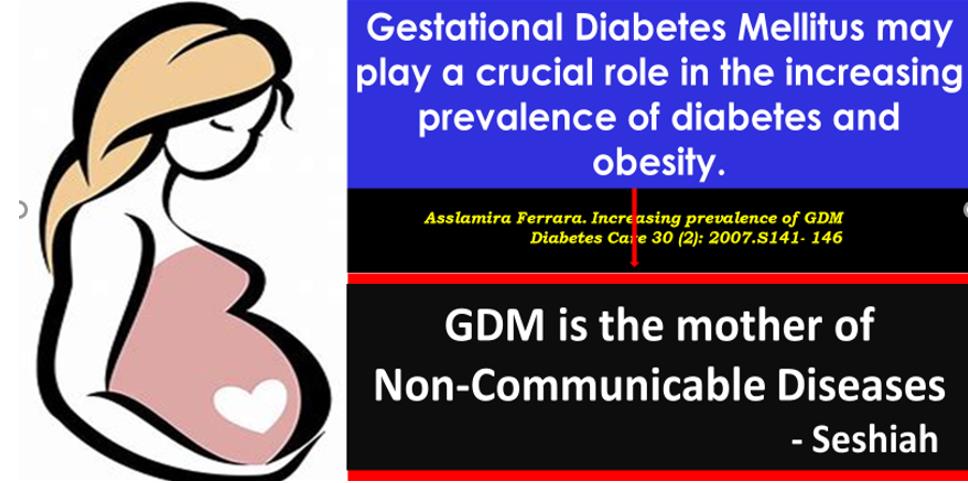
Rajesh Jain1*, Veeraswamy Seshiah2 N, Guneeta Mehta Jain3, Pikee Saxena4, 5Shaily Agarwal, 6Sadhana Tiwari 2MD, FRCP, Distinguished Professor, The Tamil Nadu Dr. M.G.R. Medical University, Chennai, India;3MD, Department of Obstetrics & Gynecology, Med Gynae clinic, Saharanpur, UP, India; 4MD, Department of Obstetrics and Gynecology, Lady Hardinge Medical college, New Delhi; 5MD, Department of Obstetrics & Gynecology, GSVM Medical College, Kanpur, India; 6MD Fellow,  Department of Obstetrics and Gynecology, GSVM Medical College, Kanpur, India Submitted: 28 June 2024; Accepted: 10 July 2024; Published: 20July 2024 1*Corresponding Author, Rajesh Jain MD, PG Diploma Diabetes (UK), Project Manager, Diabetes Prevention Control Project, NHM, Uttar Pradesh, India, 108 B Gandhi gram, Vinobha Nagar, Kanpur-208007, India Email: Email: Email:[email protected] Abstract  Gestational diabetes mellitus (GDM) is a metabolic disorder caused by carbohydrate intolerance during pregnancy for the first time. This disease is very important as it affects the mother and fetus. It is said that GDM disrupts the pregnancy process and causes many diseases, such as recurrent miscarriage, congenital anomalies, preeclampsia, stillbirth, macrosomia, preterm birth, and emergency delivery after pregnancy, pregnancy, and delivery. It also causes long-term complications by inducing type 2 diabetes mellitus in mothers and children. GDM is generally considered a lifestyle disorder, and therefore, its burden varies by race, geographic boundaries, genetics, and reproductive risk. Consequently, it is necessary to investigate the prevalence and risk of GDM to evaluate prevention strategies.  The first trimester early management of Dysglycemia with Medical Nutrition Treatment (MNT) and Metformin is promising. It might be advocated in the future for curtailing the epidemic of GDM and Type 2 Diabetes.  Recently, the TOBOGM study and our ongoing trial with early dysglycemia in 8-10 weeks of gestation resulted in better maternal-fetal outcomes and reduced GDM conversion during pregnancy. This publication is important as the final results of our trial will be published soon.  Prevalence  India is one of the countries with diabetes in the world and has one of the highest rates of GDM in women, affecting more than 5 million women in the country each year [1].  India currently has the second highest number of people with type 2 diabetes in the world at 77 million; Almost half of these patients are women. IDF 2019 estimates that 6 million newborns in India alone are affected by some form of hyperglycemia (HIP) during pregnancy, 90% of which are due to GDM [1].  Therefore, all women should be tested for gestational diabetes, even if they are asymptomatic. Unfortunately, the diagnostic criteria are not the same. (Table-1) Table – 1: Diagnostic Criteria used by International/National organizations for estimating gestational diabetes. Organization Fasting Plasma Glucose mmol/dl     or  mg/dl   Glucose Challenge 1 h Plasma Glucose mmol/dl or mg/dl 2 h Plasma Glucose 3 h Plasma Glucose      WHO1999 1   ≥7.0 or 125                75gm OGTT Not required ≥7.8 or 140 mg/dl Not required     WHO2 2013   ≥5.1 or 92   ≥10.0 or 180 ≥8.5 or 153 mg/dl   ADA3/American college     Obstetricians & Gynaecologist4 2018   ≥ 5.3 or 95 100gm OGTT ≥10.0 or 180 ≥8.6 or 155 mg/dl ≥7.8 or 140 mg/dl    ADIPS 5 2014   ≥5.1 or 92   ≥10.0 or 180 ≥8.5 or 153 mg/dl   EASD6, 1991   ≥7.0 or 125     ≥10.0 or 180   FIGO7, 2015   ≥5.1 or 92   ≥10.0 or 180 ≥8.5 or 153 mg/dl                  Diabetes Canada Clinical Practice Guidelines8, 2018   ≥5.3 or 95 75gm OGTT ≥10.6 ≥8.9 or 160 mg/dl Not required IADPSG9   ≥5.1 0r 92 75gm OGTT ≥10.0 0r 180 ≥8.5 or 153 mg/dl Not required DIPSI10 2014 – 75 gm OGTT, non-fasting – ≥7.8 or 140 mg/dl Not required NICE11   ≥5.6 or 100     ≥7.8 or 140 mg/dl Not required Note: 1WHO 1999 Guidelines: World health Organization; 2WHO 2013 Guidelines 3ADA: American Diabetes association; 4ACOG: American College of Obstetrician and Gynecologist; 5ADIPS: Australasian Diabetes in Pregnancy Society; 6EASD: European Association for the Study of Diabetes; 7FIGO: International Federation of Gynaecology and Obstetrics; 8Diabetes Canada clinical Practice Guidelines; 9IADPSG: International Federation of Gynaecology and Obstetrics; 10DIPSI: Diabetes in Pregnancy Study Group in india; 11NICE: National Institute of Clinical Excellence Diabetes in Pregnancy: Global, Regional, and Indian Scenario  The global diabetes epidemic is on the rise. According to IDF Head Professor Andrew Boulton, diabetes has become an epidemic. The global prevalence of diabetes is estimated to rise from 537 million in 2021 to 783 million in 2045, an increase of 46%. [1] Diabetes is common worldwide, and this is a concern; by 2021, there will be 74.1 million diabetics in India.  This increase may be due to the aging of the Population, physical inactivity, urbanization, and obesity. These conditions increase the risk of diabetes mellitus, but early life is a risk factor. As suggested in David Baker’s “Fetal origins of adult disease” hypothesis, pregnancy planning can significantly impact adult health and disease. Pregnancy can be defined as the process in which stress or stimulus during a sensitive or important period of fetal development permanently changes the structure, body, and metabolism and thus creates a predisposition to a disease in the elderly.  Lifestyle changes and medical interventions have been reported to slow or delay the development of Type-2 diabetes mellitus in people affected by impaired glucose tolerance (IGT), the first line of defense. Maintaining normoglycemia in GDM or other vulnerable individuals is the best option to prevent developing type 2 diabetes (T2DM). Diabetes can be reversed or stopped through primary prevention. For primary prevention of diabetes mellitus, women with gestational diabetes (GDM) are considered an ideal group because their children are more likely to have diabetes, and most of them acquired T2DM. Gestational diabetes may be an important factor in diabetes and obesity. By 2021, the Global prevalence of hyperglycemia in pregnancy (HIP) will be 21.1 million people, accounting for 16.7% of births to women aged 20-49. These individuals may experience some form of hyperglycemia during pregnancy; 80.3% of these were due to GDM [2]. Therefore, all women must be tested for GDM, even if

Cadeditors

Dr Siyamak Jalal Hosseini MD

Doctor of Medicine Professor (Assistant) at Tehran University of Medical Sciences, Tehran, Iran Email: [email protected] Tehran Province, Tehran, District 6, Pour Sina St, Iran Introduction Dr. Siyamak is a young surgeon who has performed several surgeries and operations and has reached a high level of experience at a young age. He has more skills in abdomen surgeries and wants to improve his abilities in cardiac surgery. Disciplines Skills and expertise Languages Contact information https://www.researchgate.net/profile/Siyamak-Hosseini Activity on ResearchGate

Cadeditors

Ms. Mary Voutchara MSc, Psychologist, University of Thessaly, Greece.

MSc, Psychologist, University of Thessaly, Greece University Of Thessaly Argonafton & Filellinon 382 21, Volos, Greece Email: [email protected] Psychologist PsychologistΞένιος Ζευς · Full-timeΞένιος Ζευς · Full-timeJan 2022 – Jun 2022 · 6 mosJan 2022 to Jun 2022 · 6 mosΜαντούδι Ευβοίας School Psychologist School PsychologistΥπουργείο Παιδείας · Full-timeΥπουργείο Παιδείας · Full-timeDec 2020 – Jun 2021 · 7 mosDec 2020 to Jun 2021 · 7 mosΚάρπαθος PsychologistPsychologistΥπουργείο Μετανάστευσης και Ασύλου · Full-timeΥπουργείο Μετανάστευσης και Ασύλου · Full-timeOct 2020 – Dec 2020 · 3 mosOct 2020 to Dec 2020 · 3 mosΑνοιχτή Δομή Φιλοξενίας Ελαιώνα PsychologistPsychologistΑνοιχτή Δομή Φιλοξενίας Ελαιώνα · Full-timeΑνοιχτή Δομή Φιλοξενίας Ελαιώνα · Full-timeApr 2020 – Aug 2020 · 5 mosApr 2020 to Aug 2020 · 5 mosAthens, Attiki, Greece.

Scroll to Top